
The Genesis of the
Modern Worldview
New ideas about human beings, society, nature and reality, often separating religion and metaphysics from “objective” knowledge.

Understanding the Problem. Reimagining Education.
Ehya was founded on the conviction that meaningful educational reform must begin by asking deeper questions about knowledge, human beings, society and the purpose of education.
The modern world has been profoundly shaped by intellectual developments that transformed understandings of Man, the Universe and Absolute Reality. Muslim societies today largely consume rather than produce contemporary knowledge, creating important educational challenges for us, particularly in Pakistan.
New ideas about human beings, society, nature and reality, often separating religion and metaphysics from “objective” knowledge.
The transmission of modern knowledge can create a divide between religious worldview and academic knowledge.
Important theoretical and practical challenges, including curricular incoherence, memorisation, and limited development of critical abilities.
How can learners engage confidently with contemporary knowledge without becoming disconnected from their own intellectual and moral foundations?
Ehya believes that education should be grounded in indigenous thought and values while remaining intellectually capable of engaging with the contemporary world. Our educational framework is built around the following interconnected principles.
Education must connect learners with their society, language, culture, history and lived reality.

Learning must go beyond memory and develop thinking, understanding, creativity and intellectual maturity.
Scientific and technological literacy are essential, alongside an understanding of human beings, society, ethics and meaning.
Education must cultivate imagination, appreciation of beauty, and engagement with literature, art, nature and culture.
Learners should understand contemporary knowledge while critically engaging with the intellectual and civilizational traditions that preceded it.
Students should develop the capacity to question, analyse, read deeply, communicate effectively and pursue knowledge independently.
Education shapes how people understand themselves, other human beings, society and reality. These questions therefore cannot remain outside the educational process.
Every learner carries different abilities and possibilities. Education should discover and develop these rather than force every child through an identical mould.
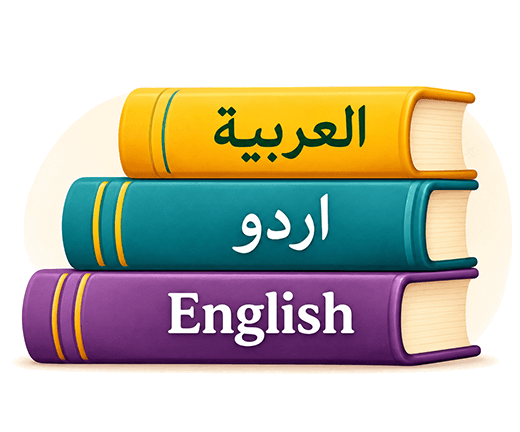
Language develops more than communication. It builds understanding, expression and access to knowledge—through Urdu, Arabic, English and local languages (and Persian where relevant).
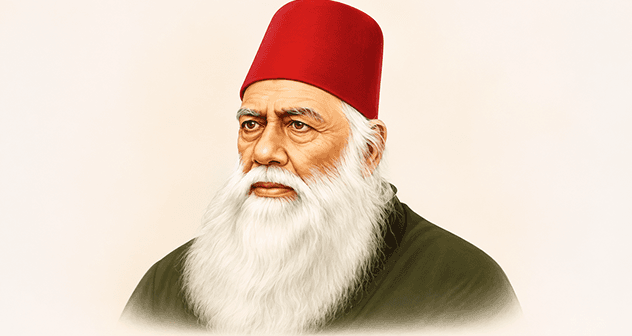
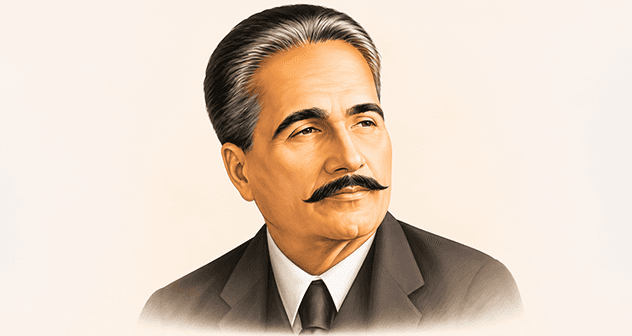
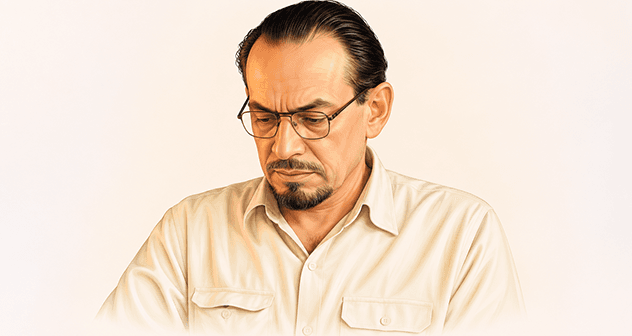
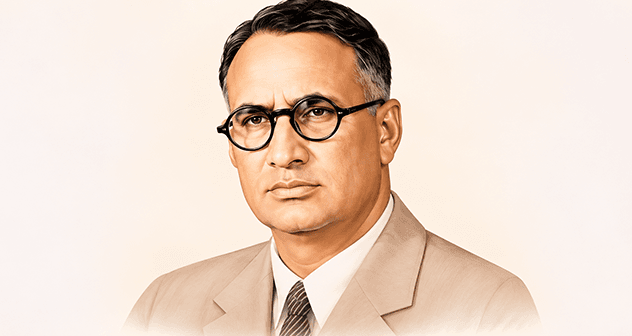
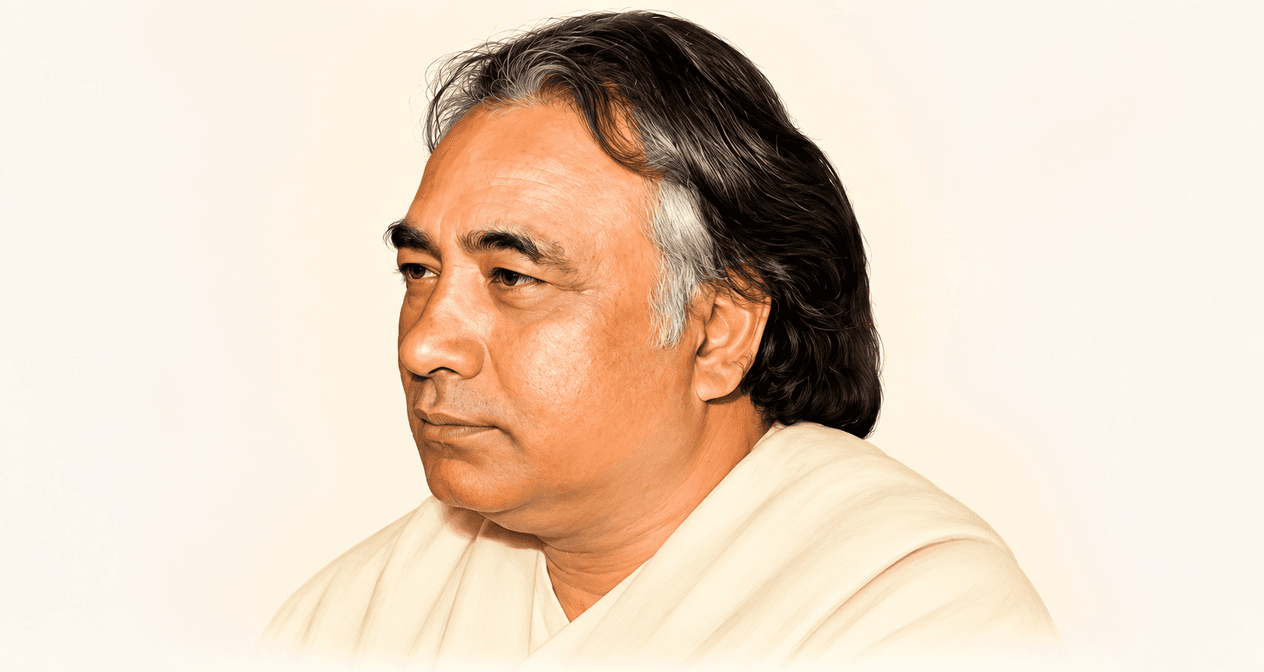
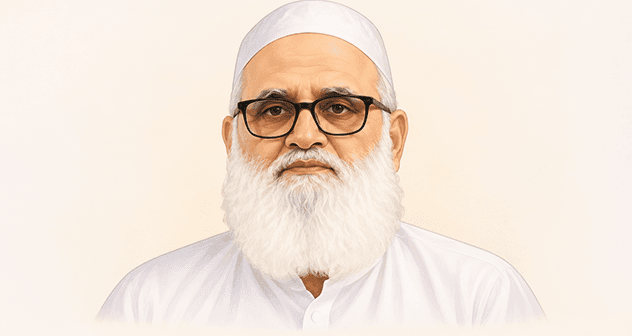
Ehya’s educational vision has developed through sustained engagement with the work of thinkers who critically examined modernity, Muslim society and education, including:

Our purpose is not simply to preserve ideas, but to translate meaningful ideas into meaningful education.